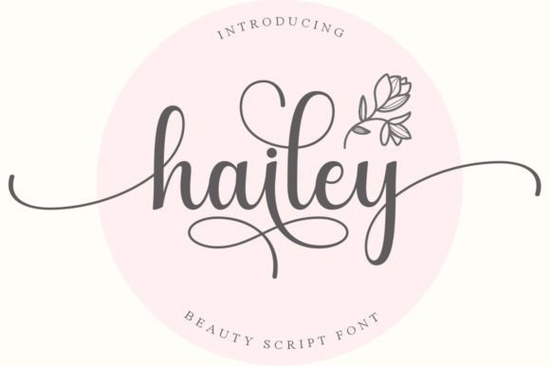
Choosing the right typography for a project often comes down to the feeling you want to convey. When you need something that feels personal and graceful, a handwritten script is usually the best choice. The Hailey Font is a great example of this style. It offers a delicate and flowing aesthetic that works well for designs requiring a soft touch. Whether you are making wedding invitations or branding for a boutique, this typeface provides a timeless look without being too flashy.
Many designers struggle to find scripts that are legible yet still look like real handwriting. This specific font bridges that gap by maintaining clear letterforms while keeping the natural flow of a pen on paper. It is particularly useful for creators who want their work to feel authentic and handmade. If you are working on projects that involve soft color palettes, you might also want to explore our collection of pink pastel options to see how different styles complement gentle hues.
What projects work best with this style?
This typeface shines in contexts where elegance is key. It is not overly bold or aggressive, which makes it suitable for feminine branding, beauty products, and lifestyle blogs. For print-on-demand sellers, this script works well on items like tote bags, mugs, and greeting cards. The flow of the letters connects naturally, which helps create a cohesive look on merchandise.
Seasonal designs also benefit from this kind of typography. While it is elegant enough for formal events, it can be styled to feel more casual for warmer months. If you are looking for something with a bit more energy for summer collections, check out our summer hipster selections for comparison. However, for consistent elegance across all seasons, this font remains a stable choice. It allows you to maintain a brand identity that feels established and trustworthy.
How do you handle the technical setup?
One of the most important features of this download is the PUA encoding. For those who are not technical experts, PUA (Private Use Area) encoding means you can access all the special characters, swashes, and glyphs without needing complex software shortcuts. You can simply select the alternative characters from your font menu in programs like Canva, Photoshop, or Illustrator.
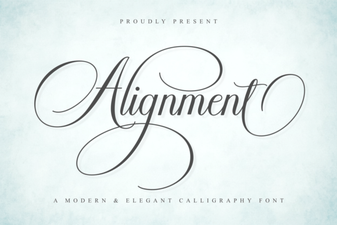
Proper spacing is crucial when working with scripts. If the letters are too close together, the design looks messy. If they are too far apart, the connection breaks. You can learn more about managing spacing in our guide on alignment tips. Getting the kerning right ensures that the flowing nature of the font is preserved. This attention to detail makes a significant difference in the final output, especially when printing on physical materials.
What other fonts pair well?
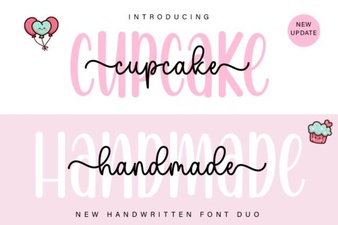
Using a script font often requires pairing it with a simpler typeface for body text or secondary headings. A clean sans-serif or a simple serif works best to balance the decorative nature of the script. You want the main message to stand out without competing with too many styles. For more ideas on friendly combinations, you can browse our friendly typeface gallery.
When pairing, keep the hierarchy clear. Use the script for logos or main headlines and the simpler font for details like addresses or ingredient lists. This contrast helps guide the viewer's eye through the design. If you want to see more specific examples of how this font looks in different contexts, visit our dedicated showcase for visual inspiration. Seeing the font in use can help you decide if it fits your specific project needs.
Is this suitable for commercial use?
Most fonts available on creative marketplaces come with licenses that allow for commercial projects, but it is always important to read the specific terms. Typically, you can use this typeface for client work, physical products for sale, and digital designs. However, you usually cannot redistribute the font file itself. Always check the license file included in the download to ensure you are compliant.
Using licensed fonts protects your business from legal issues down the line. It also supports the type designers who spend hours creating these tools. When you purchase a legitimate license, you often get updates and support if there are technical issues with the file. This security is vital for small businesses that rely on their design assets for daily operations.
Quick Design Checklist
- Check Legibility: Ensure the script is readable at smaller sizes before finalizing prints.
- Test Pairings: Try the script with at least two different sans-serif fonts before choosing one.
- Verify License: Confirm your commercial rights match your intended product usage.
- Use Swashes: Activate the PUA features to add unique flourishes to start and end letters.
- Review Spacing: Adjust kerning manually if the default spacing feels too tight or loose.
Taking these steps ensures your final design looks professional and polished. Good typography is about more than just picking a pretty style; it is about functionality and clarity. By understanding the technical features and best use cases, you can make the most out of your design tools.
Explore Design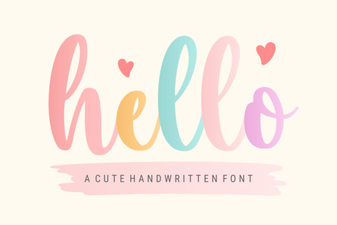 Hello Font: Creative Typography Ideas for Designers
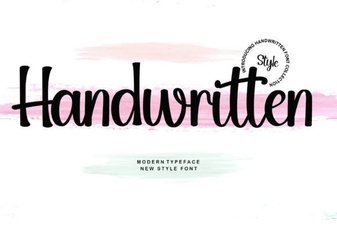 Designing with Authentic Handwritten Fonts
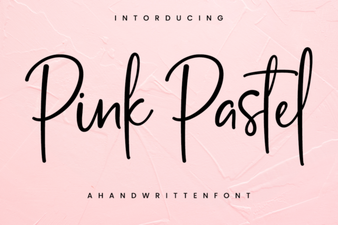 Pink Pastel Fonts for Soft Designs & Creative Projects
 Trendy Summer Fonts for Creative Design Projects
 Mastering Visual Harmony with Perfect Font Alignment
 Cupcake Handmade Duo Font: Creative Pairings Guide