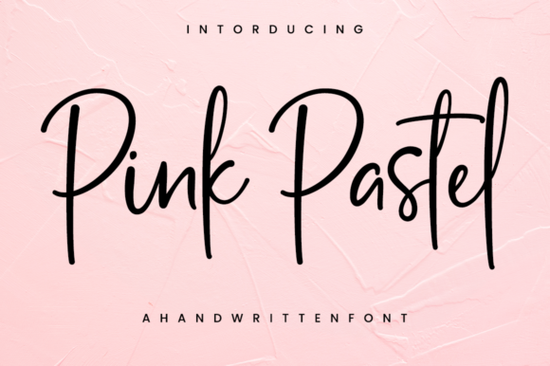
Choosing the right typography sets the tone for any creative project, especially when you need something soft and inviting. If you are looking for a typeface that brings elegance and class to your work, the Pink Pastel Font is a strong contender. This script style was crafted specifically for designers who need a beautiful and refreshing look without sacrificing readability. Whether you are making wedding invitations, branding materials, or print-on-demand products, delicate scripts like this can transform a simple layout into something memorable.
What makes this script style stand out?
The primary appeal of this font lies in its delicate strokes and balanced curves. Unlike bold display types that demand attention through weight, this script relies on grace. It mimics the flow of natural handwritten styles but maintains enough structure to remain legible across different sizes. This balance is crucial for small business owners who need their logo to look good on both a business card and a storefront sign.
When you examine the glyphs, you will notice smooth connections between letters. This reduces the need for manual kerning adjustments, saving time during the design process. For crafters using cutting machines, clean paths mean fewer weedings and smoother cuts on vinyl. It exudes a sense of calm, making it ideal for niches like wellness, beauty, or nursery decor where aggression in typography feels out of place.
Where should you use delicate scripts?
Understanding the right context for this typeface helps maximize its impact. It shines in projects that require a personal touch. Wedding stationery is a classic use case, where the font can convey romance and sophistication. Beyond paper goods, it works well for soft goods in the print-on-demand space. Think about tote bags, throw pillows, or apparel targeted at a female demographic.
If you are designing for seasonal campaigns, this style pairs exceptionally well with vibrant summer themes. The lightness of the strokes complements pastel color palettes and floral illustrations. However, avoid using it for long body text or safety warnings where high legibility is the only priority. Instead, reserve it for headlines, logos, and short quotes where the aesthetic value is the main goal.
How do you pair it with other typography?
Script fonts rarely work alone. To create a balanced design, you need a contrasting sans-serif or serif font for supporting text. A clean, geometric sans-serif often works best to ground the flowing curves of the script. If you want to add more personality, consider mixing it with a playful handmade duo style for a layered, eclectic look. This combination works well for packaging labels or social media graphics where you want to appear approachable yet professional.
When pairing fonts, pay attention to x-heights. If the supporting font is too tall or too short compared to the script, the hierarchy will feel off. Keep the supporting text simple and let the script take the spotlight. Using all caps for the secondary font can also create a nice structural contrast against the lowercase dominance of most scripts.
Are there similar options to consider?
While this specific typeface is unique, you might want to explore variations depending on your project needs. If you need something slightly more structured, you could look at similar elegant options within the same category. Having a few alternatives in your library ensures you aren't limited if a client requests a specific vibe that differs slightly from the original choice.
It is also helpful to browse the broader collection. You can visit the script fonts gallery to see how this typeface sits among its peers. Seeing them side-by-side helps you judge weight and spacing more accurately than viewing them in isolation. Always download the trial version if available to test how the font renders in your specific software environment before committing to a license.
What technical details should you check?
Before purchasing, verify the file formats included. Most professional fonts come in OTF or TTF formats, which are compatible with major design software like Adobe Illustrator, Photoshop, and Canva. Check if the license covers commercial use, especially if you plan to sell physical end products like shirts or mugs. Some licenses require an upgrade for large production runs.
Also, consider the language support. If you are designing for an international audience, ensure the font includes the necessary glyphs and accents. A beautiful font is less useful if it cannot spell out your client's name correctly due to missing characters. Testing the font with actual project copy before finalizing the design prevents last-minute swaps that can disrupt your workflow.
Quick Design Checklist:
- Test legibility at small sizes (e.g., on a mobile screen or business card).
- Pair with a simple sans-serif for body text to maintain balance.
- Verify commercial license terms for print-on-demand products.
- Check for multilingual support if targeting global customers.
- Export samples in both PNG and SVG to ensure quality across platforms.
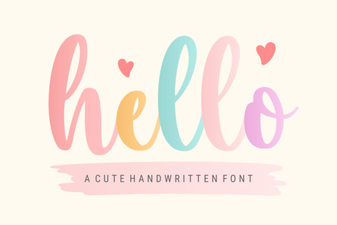 Hello Font: Creative Typography Ideas for Designers
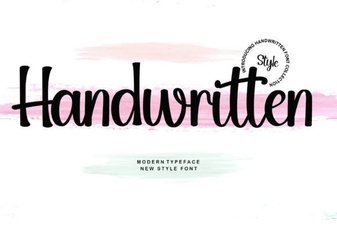 Designing with Authentic Handwritten Fonts
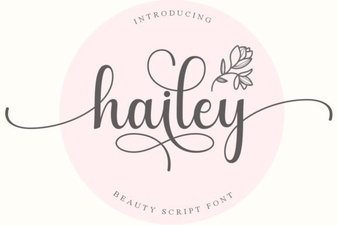 The Versatile Hailey Font for Modern Design Projects
 Trendy Summer Fonts for Creative Design Projects
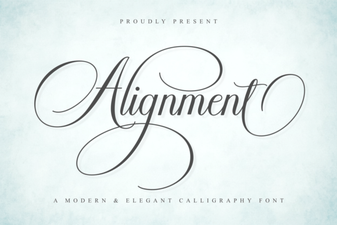 Mastering Visual Harmony with Perfect Font Alignment
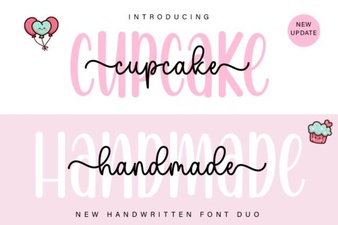 Cupcake Handmade Duo Font: Creative Pairings Guide