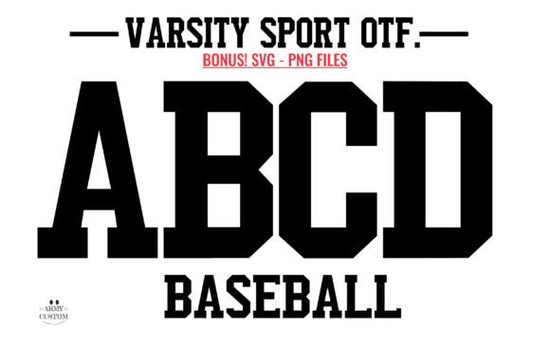
Creating designs that capture team spirit requires the right typography to convey energy and pride. Whether you are making logos for a local league or printing shirts for a reunion, the style of your letters matters. The Varsity Sport Army Font is built to handle these heavy-duty design tasks. It brings a classic university look to your screen, mimicking the bold lettering seen on jerseys and campus banners. This typeface works well for anyone needing to evoke nostalgia or excitement through text.
Designers often look for fonts that stand out without needing extra effects. This specific style offers thick strokes and clean lines that remain readable even at smaller sizes. It captures the thrilling arena of athletics and academia in a single file. When you use it, you are tapping into a visual language that people immediately recognize as associated with competition and school pride. It is a practical choice for projects that need to feel official yet energetic.
What projects work best with this athletic typography?
There are many ways to apply this collegiate style in your work. The most obvious use case is apparel for sports teams. If you run a print-on-demand store, this typeface is perfect for creating custom jersey numbers or team names. It holds up well on fabric because the shapes are solid and distinct. You do not need to worry about thin lines disappearing during the printing process.
Beyond clothing, consider using this for event materials. School rallies, graduation parties, and alumni gatherings all benefit from strong headers. You can create posters, flyers, or digital invitations that set the tone before the event starts. The vibrant energy and community spirit synonymous with school and university leagues come through clearly. It helps viewers understand the context of the event immediately.
Merchandise sellers can also use this for non-sports items that still need a bold look. Think of gym bags, water bottles, or caps. The design embodies the rush of the big game, making it suitable for fitness brands too. If you are designing a logo for a personal trainer or a local gym, this font adds an instant layer of authority and strength to the brand identity.
How does this style compare to other bold display options?
Not every project needs a heavy sports look. Sometimes you need something that feels more editorial. If you are working on a layout that requires strong headlines but less aggression, you might look at editorial layouts found here. Those options often have more refinement suitable for publications rather than athletic gear. It is important to match the weight of the font to the medium you are using.
For action-oriented graphics, you might consider something with more movement. Styles inspired by action-oriented graphics like these often include more dynamic shapes or irregular edges. While the varsity style is structured and uniform, comic-inspired fonts can add a sense of motion or fun chaos. Choose based on whether you want stability or excitement in your composition.
When should you choose a softer alternative?
There are times when a heavy athletic font is too harsh. If you are designing for children's sports teams, you might want something friendlier. You can explore playful options for younger athletes that keep the fun without the intensity. Parents often prefer designs that look approachable rather than competitive when buying for kids.
Similarly, school events that are not sports-related might need a different vibe. Academic fairs, art shows, or music recitals benefit from a gentler touch. For academic events needing a softer touch, a script or rounded sans-serif might work better. The goal is to ensure the typography supports the message rather than overpowering it.
What details should you check before purchasing?
Before you download any typeface, verify the license terms. Most creative assets come with specific rules about commercial use. If you plan to sell items with this font, ensure the license covers print-on-demand products. Some licenses allow personal use only, while others permit unlimited sales. Always read the fine print to avoid issues later.
Check the file formats included in the package. You will typically want OTF or TTF files for standard design software. Some packages also include webfont versions if you plan to use the text on a website. Having the right files ensures you can work across different platforms without compatibility errors. You can view the full category details at this specific varsity collection to see what is included.
Test the kerning and spacing before finalizing your design. Bold fonts sometimes need manual adjustment to look balanced. Letters like "A" and "V" might need to be tucked closer together to avoid gaps. Taking time to adjust these details makes your final product look professional. Every letter is a nod towards the rush of the big game, so make sure they sit right on the field of your design.
Here is a quick checklist to help you decide if this typeface fits your current project:
- Define your audience: Are they sports fans, students, or fitness enthusiasts?
- Check the license: Does it allow commercial use for physical products?
- Test readability: Print a sample at the actual size you intend to use.
- Pair wisely: Combine with a simple sans-serif for body text to maintain balance.
- Verify files: Ensure you have the formats needed for your software.
Start by downloading a sample if available, or review the character map to see if it includes the glyphs you need. Good typography saves you time on effects because the shape does the heavy lifting. Keep your design clean and let the letters speak for themselves.
Explore Design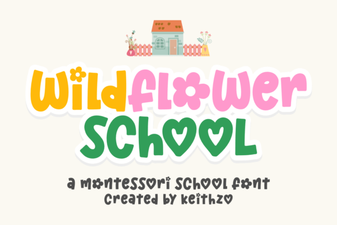 Wildflower School Font: Creative Typography Projects
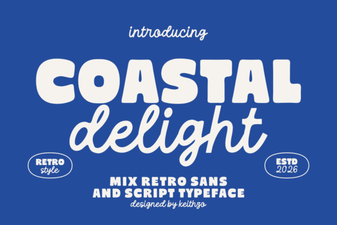 Coastal Delight Font: Designs That Flow Like the Sea
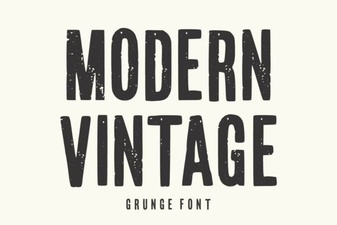 Elevate Your Designs with Modern Vintage Fonts
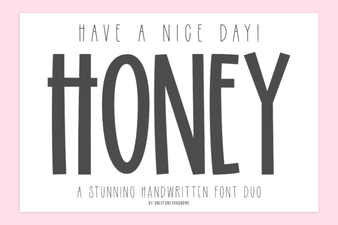 Honey Font: Creative & Friendly Design Projects
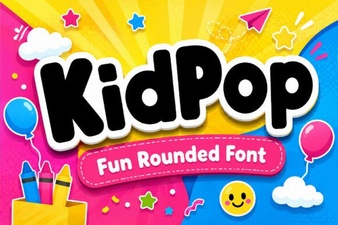 Kidpop Font: Playful Typography for Creative Projects
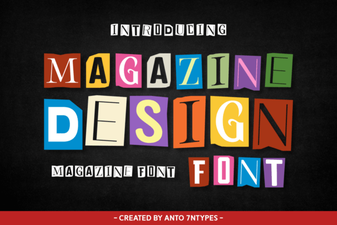 Crafting Your Magazine's Perfect Typographic Voice