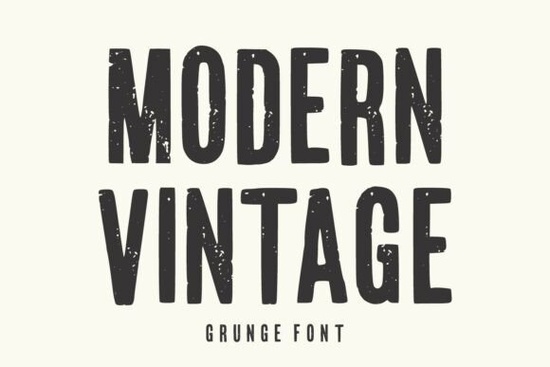
Finding the right typography for a project that needs character can be difficult. You want something that feels old but still works in a modern layout. The Modern Vintage Font offers a solution by blending rugged textures with clean, condensed shapes. This typeface is designed for creators who need bold letters that stand out without looking too polished. It brings a raw, handcrafted feel to digital and print media, making it a strong choice for branding that needs to feel authentic.
What makes this typeface stand out?
This font is not just about looking old; it is about creating a specific mood. The letterforms are tall and condensed, which helps save space while maintaining a strong presence. What sets it apart is the distressed texture applied to each character. These worn details mimic the look of ink fading on paper or paint chipping on a sign. This adds depth to flat designs. Unlike clean sans-serif options, this display typeface carries history in its strokes. It works well when you want your audience to feel a sense of nostalgia or toughness. The balance between readability and texture means you can use it for headlines without losing clarity.
Where should you use this typeface?
Designers often ask where grunge styles fit best. Because of its bold nature, this font shines in large sizes. It is perfect for logos that need to grab attention quickly. Think about coffee shop signage, band merchandise, or streetwear labels. The texture helps hide wear and tear on printed items like t-shirts, keeping the design looking intentional even after multiple washes. It is also suitable for album covers where a retro aesthetic is key. If you are working on packaging for artisanal products, this typeface adds a layer of craftsmanship that plain fonts lack.
However, not every project needs this level of grit. If you are designing for a younger audience or a softer brand, you might prefer a playful children font instead. For projects that require strict adherence to past eras, you could explore picky retro options that focus more on historical accuracy than grunge effects. Knowing when to use distress versus clean lines is part of effective design.
How do you pair it with other styles?
Using a distressed font requires careful pairing. Since the letters are busy, you should pair them with simple, clean secondary fonts. A light sans-serif works well for body text to ensure readability. You can also mix it with script fonts to create contrast between rough and smooth. For example, a rugged headline paired with a flowing subheader creates visual interest. If you want to maintain a positive and energetic tone, consider combining it with elements from good vibes only duo fonts to balance the grit with optimism.
Layering is another technique. Place the text over textured backgrounds like paper or concrete to enhance the vintage feel. Just make sure there is enough contrast between the text and the background. You do not want the distressed edges to get lost in a noisy image. For nostalgic projects, this font complements imagery that looks aged or filtered. It pairs naturally with designs that evoke memory, similar to the feeling you get from remember things fonts. The goal is to create a cohesive look where every element supports the story you are telling.
Is it readable for projects?
Readability is a common concern with textured typography. This font maintains excellent legibility despite the worn details. The condensed structure keeps the letters distinct, preventing them from blending together. It is best used for display text rather than long paragraphs. Use it for titles, quotes, or short calls to action. If you need a version with less texture for smaller sizes, check the modern vintage font collection for alternatives that might offer different weights. Always test your design at the actual size it will be viewed to ensure the distress does not hinder understanding.
Quick Design Checklist
- Check Contrast: Ensure the text stands out against the background.
- Limit Usage: Use for headlines and logos, not body copy.
- Pair Simply: Combine with clean, simple secondary fonts.
- Test Print: Verify how the texture looks on physical materials.
- Match Mood: Ensure the grunge style fits the brand identity.
Start by downloading the file and testing it in your preferred design software. Try typing out your brand name or project title to see how the weight feels. Adjust the tracking slightly if the letters feel too tight. Remember, the goal is to enhance your message, not overpower it. With the right application, this typeface can become a key part of your visual identity.
Explore Design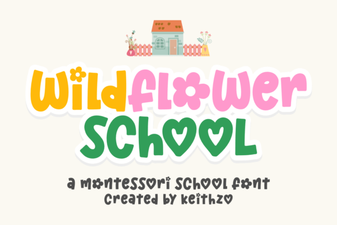 Wildflower School Font: Creative Typography Projects
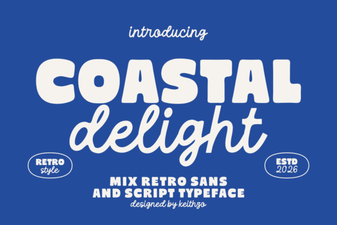 Coastal Delight Font: Designs That Flow Like the Sea
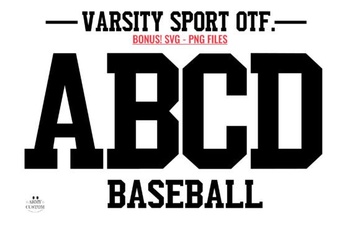 Varsity Army Font Designs for Sports Websites
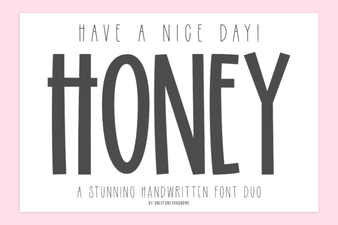 Honey Font: Creative & Friendly Design Projects
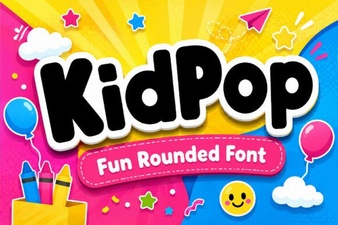 Kidpop Font: Playful Typography for Creative Projects
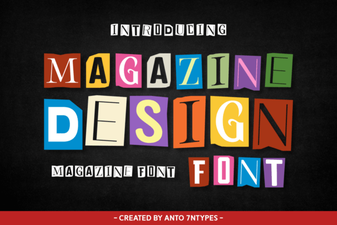 Crafting Your Magazine's Perfect Typographic Voice