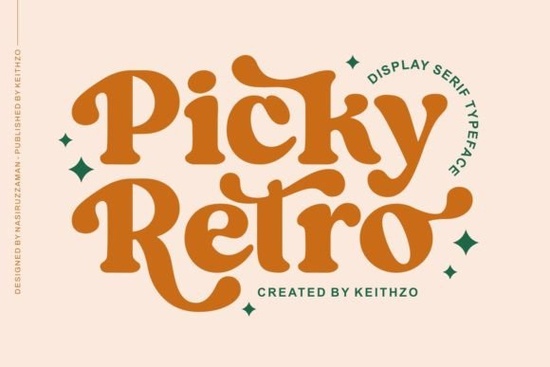
When you need a typeface that screams personality without shouting too loud, finding the right balance is key. The Picky Retro Font offers exactly that mix of boldness and charm. It is a display serif that fits well into projects needing a vintage touch. Designers often struggle to find letters that feel classic yet playful, and this option bridges that gap effectively. Whether you are building a brand identity or creating a one-off invitation, having a reliable display font in your toolkit saves time and ensures consistency.
Why choose a bold serif for vintage projects?
Vintage design relies heavily on typography to set the mood. A standard sans serif might feel too modern, while a script can be hard to read at smaller sizes. This specific typeface uses strong serifs to evoke a sense of history without looking outdated. The letterforms are distinct, which helps them stand out on busy backgrounds. When you are checking out this specific listing, you will notice the attention to detail in the curves and terminals. These small features add character that generic fonts often lack.
Bold serifs work particularly well because they command attention. They suggest reliability and strength, which is why many classic brands used similar styles decades ago. By using a modern interpretation of this style, you get the best of both worlds. You keep the nostalgic feel but ensure the kerning and spacing work for digital screens and modern printing methods. This makes it a safe choice for clients who want something unique but readable.
What are the best use cases for this typeface?
Display fonts are not meant for body text. They shine when used large. Think about logos where the name of the business needs to be the hero. It also works well for headlines on posters or social media graphics. If you run a print-on-demand store, this style is excellent for t-shirts and mugs. The thick strokes ensure the design does not disappear when printed on fabric or curved surfaces.
Invitations are another strong use case. Weddings, birthdays, and special events often benefit from a touch of elegance. The playful nostalgia mentioned in the description helps set a warm tone for guests. It feels inviting rather than stiff. You can use it for the main header and pair it with a simpler font for the details. This hierarchy guides the reader's eye naturally through the information.
How do you pair it with other letters?
Mixing fonts can be tricky. If you choose two display fonts, they might fight for attention. The goal is contrast. Since this font is bold and serif-heavy, pair it with something clean and simple. A lightweight sans serif works well for body text. If you want more flair, you might look into complementary pairing sets that are designed to work together from the start.
When pairing manually, test the combination at different sizes. What looks good on a desktop screen might look cramped on a mobile device. Ensure there is enough white space between the lines. The height of the lowercase letters in your secondary font should match the visual weight of the main display font. This creates a balanced layout that feels professional and intentional.
Are there similar styles to consider?
Sometimes you need variations to fit different parts of a project. If you need something even heavier, you might end up exploring stacked chunky variations. These are useful when you need maximum impact, such as for a sale banner or a main event title. They share the boldness but often have a different structural feel.
For a more playful approach, some designers prefer playful graphic styles. These are great for younger audiences or informal brands. However, the retro serif we are discussing holds more elegance. If you want to stay within the nostalgic theme but try something different, browsing other nostalgic selections can give you fresh ideas. It helps to have a few options ready before you start designing.
Comparing these styles helps you understand where each one fits. The retro serif is versatile. It can be dressed up or down. The chunky options are more specific to high-impact needs. The comic styles are niche. Knowing the difference allows you to charge more for your design services because you can justify why one font is better than another for a specific client goal.
Where can you find more details?
If you are ready to see the full character set, viewing the full gallery is the next step. You need to check if it includes all the glyphs you need, such as alternate characters or punctuation. Some display fonts lack certain symbols, which can be a problem for URLs or prices. Always download the trial version if available to test it in your specific software.
Installation is usually straightforward, but make sure you close your design programs before adding the file to your system folder. Once installed, restart the program to see it in the list. Keep the license file handy. Most marketplaces provide a PDF with usage rights. Read this carefully, especially if you plan to use the font in a logo you are selling to a client. Some licenses require an upgrade for commercial logo use.
Quick Checklist for Using Display Fonts
- Check Legibility: View the font at 100% zoom to ensure edges are clean.
- Test Contrast: Place the text over both light and dark backgrounds.
- Verify License: Confirm you are allowed to use it for commercial products.
- Pair Wisely: Use a simple secondary font for smaller text details.
- Save Outlines: Convert text to paths before sending files to print to avoid missing font errors.
Taking these steps ensures your final product looks professional. Good typography is an investment in your brand's perception. By choosing a quality display serif, you add value to every piece of content you create. Keep experimenting with spacing and color to find the perfect look for your next project.
Learn More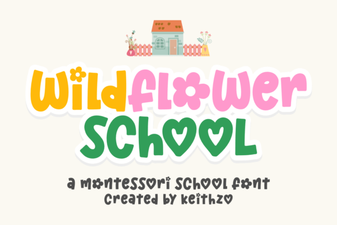 Wildflower School Font: Creative Typography Projects
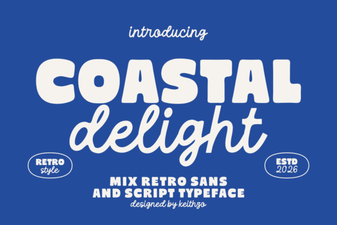 Coastal Delight Font: Designs That Flow Like the Sea
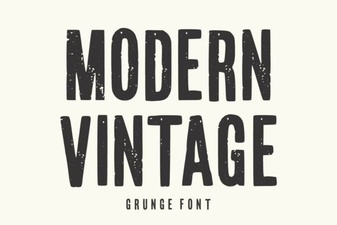 Elevate Your Designs with Modern Vintage Fonts
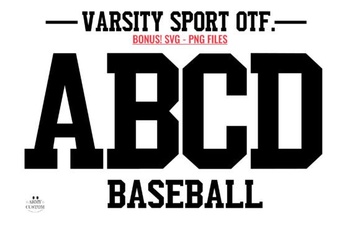 Varsity Army Font Designs for Sports Websites
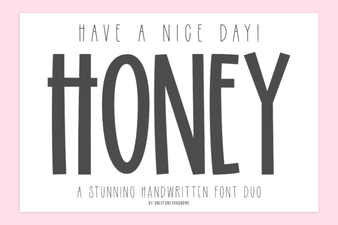 Honey Font: Creative & Friendly Design Projects
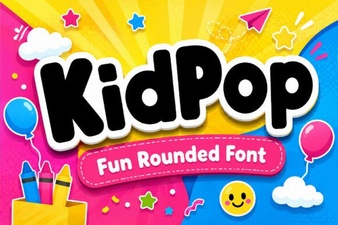 Kidpop Font: Playful Typography for Creative Projects