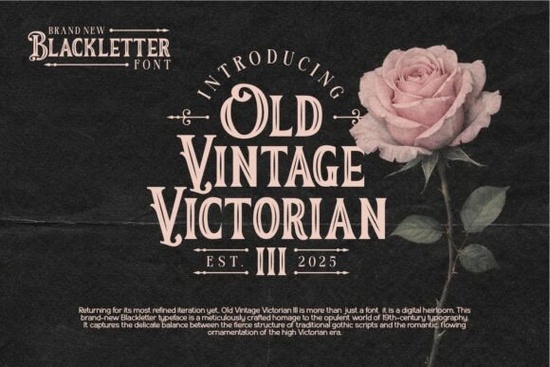
Finding the right typeface for a project rooted in history can be tricky. You need something that feels authentic without looking dusty or unreadable. The Old Vintage Victorian III Font offers a solution for designers seeking that 19th-century polish. It captures the ornate flourishes and bold serifs that defined an era of grandeur, making it a strong candidate for branding that needs to communicate heritage and sophistication.
This typeface is not just about looking old; it is about commanding attention. The high contrast and decorative inlines work best when given space to breathe. If you are designing a label for a small-batch distillery or a logo for a classic barbershop, the weight of the letters provides the necessary impact. It avoids the fragility of some script fonts, offering a robust structure that holds up well on physical products like apparel or packaging.
What makes this typeface stand out from modern options?
Modern design often leans towards minimalism, stripping away details to achieve clarity. However, there is a growing demand for character and depth in branding. This font brings intricate detailing that modern sans-serifs simply cannot match. The swashes and decorative elements evoke classic signage, reminding viewers of a time when craftsmanship was visible in every letterform.
When comparing styles, it is helpful to look at contrast. For instance, softer, more casual scripts like the Have a Nice Day Honey Font might work for a friendly café, but they lack the authority needed for a heritage brand. You can explore more about those display options to see where the line between friendly and formal lies. The Victorian style maintains a level of seriousness and established presence that is crucial for luxury or historical niches.
Where does this font work best in commercial projects?
The primary strength of this typeface lies in large settings. It is designed as a display font, meaning it shines in headlines rather than body text. Small business owners using print-on-demand services will find it particularly useful for t-shirt designs that require a vintage aesthetic. The bold serifs remain legible even when printed on textured fabrics.
It is also an excellent choice for editorial work. If you are laying out a magazine design focused on history or lifestyle, this font can anchor your cover stories. It pairs well with simpler serif body text, creating a hierarchy that guides the reader's eye without overwhelming them. Unlike athletic or military styles found in varsity collections, which prioritize speed and aggression, this font prioritizes elegance and time.
For those working on narrative projects, such as book covers or posters, the mood is essential. While comic book fonts drive action and dialogue, a Victorian serif sets a scene. It tells the reader that the story takes place in a specific period or carries a weighty tone. This distinction helps in selecting the right tool for the creative job at hand.
How do you pair it effectively without clutter?
Because this typeface is so detailed, pairing it requires restraint. Using it alongside another highly decorative font will create visual noise. Instead, match it with a clean, neutral sans-serif for secondary information. This allows the ornate letters to remain the focal point. Ensure there is enough kerning between letters so the swashes do not collide.
Color choice also matters. Deep greens, burgundies, and golds complement the historical feel. Avoid neon or overly bright modern palettes unless you are aiming for an ironic juxtaposition. For further reference on the historical context of styles like this, you might review details regarding the Old Vintage Victorian III Font influences online. Understanding the era helps in applying the font respectfully and effectively.
Before finalizing your design, consider the medium. Digital screens may render fine details differently than print. Always test your designs at actual size. If you are unsure about the specific variations available, you can browse this specific category to see related weights or styles that might suit your layout better.
Quick Checklist for Using Vintage Display Fonts
- Check Legibility: Ensure the font is readable at the size you intend to use it.
- Limit Usage: Use for headlines or logos, not long paragraphs of text.
- Pair Simply: Combine with plain sans-serif fonts to balance the ornamentation.
- Test Colors: Stick to palettes that match the historical vibe, like earth tones.
- Verify Licensing: Confirm the license allows for commercial use if selling products.
Taking these steps ensures your project looks professional and authentic. By choosing a typeface with strong historical roots, you add value to your brand identity that goes beyond simple aesthetics.
Get Started Wildflower School Font: Creative Typography Projects
 Coastal Delight Font: Designs That Flow Like the Sea
 Elevate Your Designs with Modern Vintage Fonts
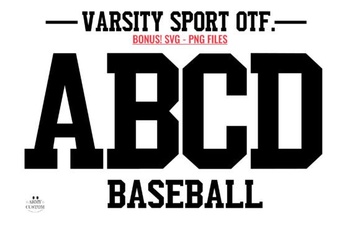 Varsity Army Font Designs for Sports Websites
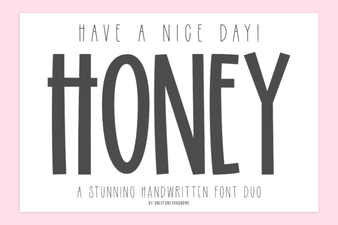 Honey Font: Creative & Friendly Design Projects
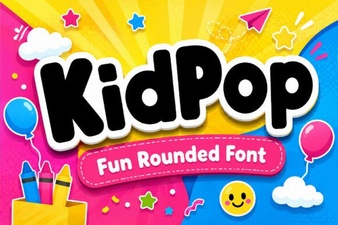 Kidpop Font: Playful Typography for Creative Projects