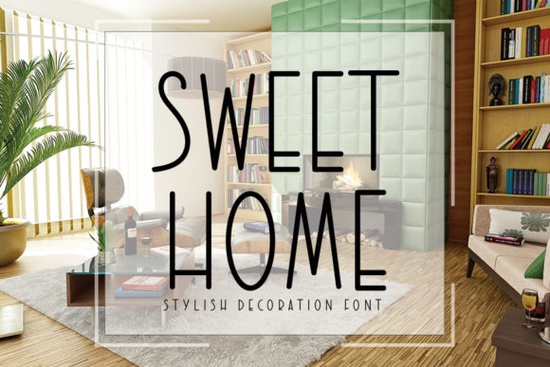
Selecting the right typography is often the most critical step in a design workflow. You need letters that communicate clearly without distracting from the core message. For many creative professionals, the Sweet Home Font has become a reliable choice for projects requiring a minimal touch. It is a neat sans serif typeface that balances simplicity with character. When you are building a brand identity or creating digital graphics, having a versatile type family saves time and ensures consistency across different media.
Many designers struggle to find a typeface that works equally well on a business card and a large website header. This specific style solves that problem by offering clean lines and open shapes. It remains legible even at smaller sizes, which is crucial for mobile interfaces or detailed print materials. If you are working on a project that needs to feel modern but approachable, this option fits the bill nicely.
What kind of projects work best with this style?
Because the design is uncluttered, it suits a wide range of applications. Print-on-demand sellers often look for text that reads well on apparel like t-shirts and hoodies. The simplicity ensures that the message does not get lost in the fabric texture. Similarly, small business owners can use it for logos that need to scale from a favicon to a storefront sign.
Invitation designers also benefit from this aesthetic. Weddings and baby showers often require typography that feels elegant without being overly ornate. You can pair it with a script font for headings while keeping the body text clean. This creates a hierarchy that guides the reader's eye naturally through the content. If you are creating social media graphics, the bold weights available in similar families help quotes stand out against busy backgrounds.
Corporate presentations also benefit from high readability. When you are displaying data or key points on a slide, clarity is paramount. A minimal sans serif prevents the audience from getting distracted by decorative elements. This allows them to focus on the information you are presenting rather than the style of the letters themselves.
How does it compare to other minimal options?
There are many clean typefaces available, but not all of them have the same warmth. Some geometric sans serifs can feel too cold or corporate. This option maintains a humanist touch, making it feel friendlier. If you are browsing for alternatives, you might also explore similar clean typefaces like Muffin to see how different weights affect your layout. Comparing a few options side by side helps you decide which one matches your brand voice better.
Consistency is key when building a visual identity. Once you choose a primary font, stick with it for your main communications. This helps customers recognize your content instantly. When you are ready to finalize your choice, you can visit the dedicated product page for more screenshots and licensing info. Seeing the glyphs in context often clarifies whether it is the right fit for your specific needs.
Where can you find the official files?
Downloading from a reputable source ensures you get the complete file set, including various formats like OTF, TTF, and WOFF. Having multiple formats allows you to use the font on desktop software, web projects, and mobile apps without compatibility issues. You can search for Sweet Home Font directly on the marketplace to access the latest version. Always check the license agreement to understand where and how you are allowed to use the files, especially for commercial products.
Some licenses cover personal use only, while others allow you to sell items made with the font. Make sure you understand the difference before starting a client project. Keeping your files organized in a dedicated folder on your computer will also save you time when you need to install or reactivate the license later.
What are the best pairing strategies?
While this typeface works well on its own, combining it with other styles can add depth to your designs. A common technique is to pair a neat sans serif with a handwritten script. The contrast between the structured lines and the fluid curves creates visual interest. For more formal documents, consider using a traditional serif font for body text while keeping headings in this modern style.
Pay attention to spacing when mixing fonts. Ensure there is enough contrast in weight and size so the viewer can distinguish between the two. Avoid pairing it with another sans serif that looks too similar, as this can create a muddy appearance. The goal is to complement the primary typeface, not compete with it.
How do you ensure readability across devices?
Test your designs on multiple screens before publishing. What looks clear on a desktop monitor might appear cramped on a smartphone. Adjust the line height and letter spacing to improve legibility on smaller displays. Dark text on a light background usually offers the best contrast, but if you need to use colors, ensure they meet accessibility standards.
Remember that white space is just as important as the letters themselves. Give your text room to breathe. Crowding elements together makes even the clearest font hard to read. By keeping your layout open, you allow the typography to do its job effectively.
Quick Design Checklist:
- Verify the license covers your intended commercial use.
- Test legibility on both mobile and desktop screens.
- Pair with a contrasting font style for hierarchy.
- Check kerning on logos and large headings.
- Keep sufficient white space around text blocks.
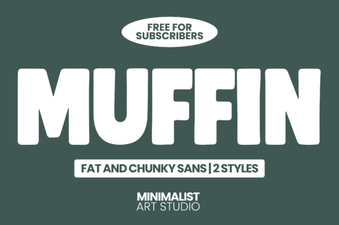 Discover the Design Versatility of Muffin Font
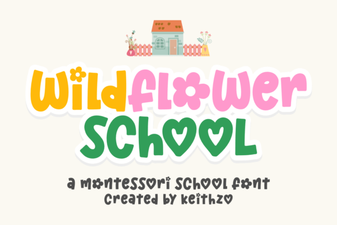 Wildflower School Font: Creative Typography Projects
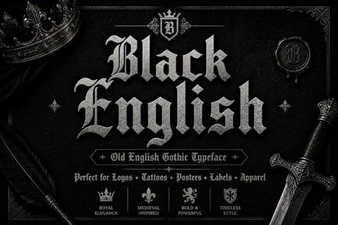 Stylish Black Fonts for Modern Web Design
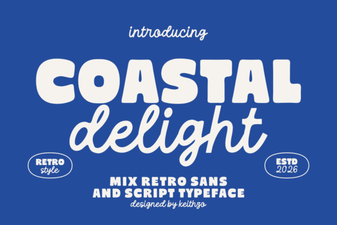 Coastal Delight Font: Designs That Flow Like the Sea
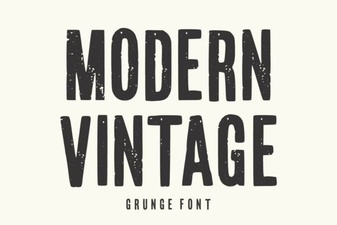 Elevate Your Designs with Modern Vintage Fonts
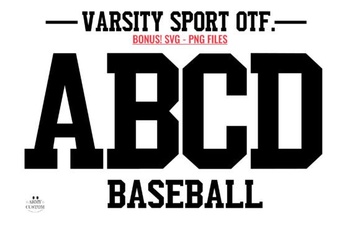 Varsity Army Font Designs for Sports Websites